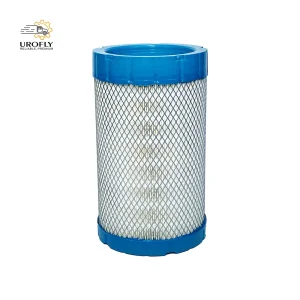
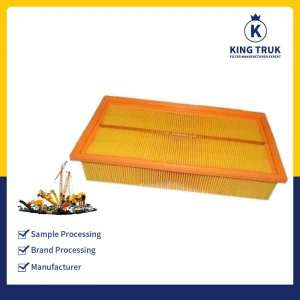
Explore our high-performance filtration modules engineered to maximize system reliability, optimize combustion processes, and extend machinery service intervals under extreme operational demands.
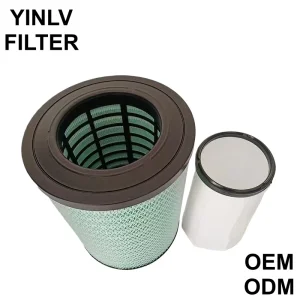
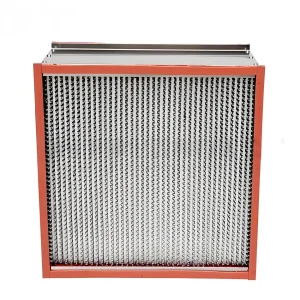
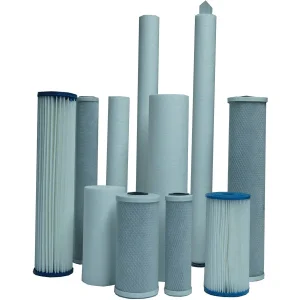
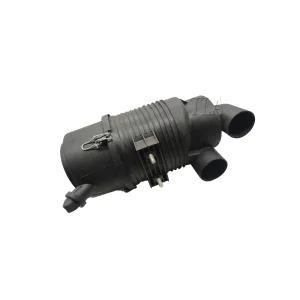
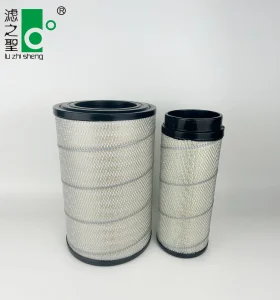
Marine diesel propulsion engines and auxiliary generators operate under some of the most unforgiving environmental conditions on Earth. High atmospheric humidity, corrosive salt aerosol mist, and airborne dust particles pose persistent threats to the combustion envelope and cylinder assemblies. Ensuring clean air supply in offshore and coastal regions is not just about filtering dust; it is a critical process of coalescing moisture separation, sub-micron particulate extraction, and corrosion management.
Modern marine engine air filter factories employ advanced thermodynamics, fluid dynamics simulation, and materials science to manufacture filter elements that prevent premature wear on cylinder liners, pistons, and turbocharger compressor wheels. Without specialized marine air filtration systems, salt crystals carried by sea air melt inside combustion chambers, causing severe high-temperature corrosion and carbon deposition. This paper analyzes key manufacturing parameters, macro-industry solutions, and the technical roadmap of the marine filtration sector.
Utilizing multi-layered synthetic fibers designed to capture sub-micron water droplets, coalescing them into larger drops that drain away before reaching the clean-air chamber.
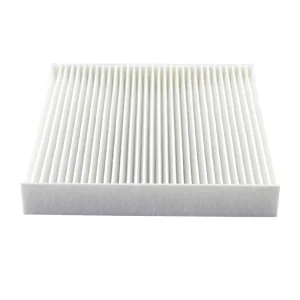
Premium pleated designs maximize the filter surface area, guaranteeing low differential pressure levels and high particulate loading capacities for extended service hours.
Marine-grade polyurethane seals and steel mesh reinforcements prevent cartridge collapse during severe engine air-intake pulsations.
The global maritime sector is undergoing a massive shift towards decarbonization and operational efficiency. This transition directly impacts air intake filtration systems. As ship operators adopt dual-fuel engines (LNG, Methanol, Ammonia, and diesel), intake air quality demands have become far stricter.
Advanced manufacturers are replacing traditional cellulose media with electrospun polymeric nanofibers. These fibers, with diameters under 100 nanometers, create a spiderweb-like structure on the media surface. This allows surface-loading filtration rather than depth filtration, dramatically reducing initial flow restriction and facilitating self-cleaning pulse systems on large offshore installations.
Predictive maintenance is the new norm. Modern marine air filter assemblies now integrate IoT differential pressure sensors. These modules communicate directly with the vessel's engine management system (EMS), notifying the engineering crew of optimal filter replacement intervals based on actual airflow resistance rather than arbitrary operating hours. This reduces operating costs and prevents unplanned engine downtime.
Regulatory frameworks such as MARPOL are pushing factories to design metal-free, incinerable filter cartridges. By utilizing high-strength polymers for end caps and reinforcement structures instead of galvanized steel, operators can safely incinerate used filters onboard, eliminating expensive land-based disposal fees.
When sourcing replacement components or OEM air intake filters for massive container vessels, offshore supply vessels (OSVs), or land-based gensets, procurement managers must evaluate several technical, regulatory, and financial parameters:
Industrial and marine air filters must comply with international laboratory standards. Specifically, ISO 5011 outlines the test methods for determining the particulate cleaning performance, resistance to airflow, and dust storage capability. Furthermore, factories operating under the IATF 16949 management framework demonstrate superior consistency in raw material traceability and quality control compared to standard non-certified workshops.
B2B procurement departments demand partners capable of executing customized engineering services (OEM/ODM). Whether adjusting dimensional tolerances for cramped engine rooms or formulating specialized hydrophobic filter media for tropical routes, having direct access to the manufacturing factory's technical team is vital for operational agility.
Air filtration is a system-wide engineering challenge. Industrial air filter design must be tailored to the specific application environment:
Vessels traversing open oceans require multi-stage filtration setups. The first stage typically consists of mechanical louvers or mist eliminators that trap massive salt-water droplets and spray. The second stage uses coalescing pre-filters to extract finer aerosols. The final stage comprises high-efficiency pocket or panel pleated filters that capture sub-micron salt crystals and airborne soot. This macro-system protects high-output diesel propulsion plants from chemical corrosion and turbocharger fouling.
Auxiliary generators running on drilling rigs or production platforms face continuous exposure to drilling dust, oil mist, and atmospheric salt. Standard truck engine filters fail prematurely in these settings due to media saturation and collapse. Industrial-grade heavy-duty air filter housings fitted with hydrophobic synthetic elements are necessary to ensure 24/7 power availability.
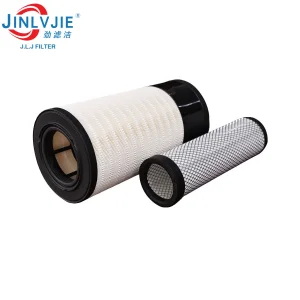
For heavy machinery like excavators, tractors, and forklifts operating in dry, dust-laden terrestrial environments (such as farms or mining pits), filters must exhibit superior physical dust-holding capacities. Dual-element filters—featuring a heavy-duty outer primary filter and a fine internal safety element—prevent engine contamination even if the main filter element is compromised.
Established in 2014, Hebei Fisc Auto Co., Ltd. is located in Xingtai City, Hebei Province, China, covering an expansive manufacturing footprint of 10,000 square meters with a registered capital of 3,000,000 yuan. Our company is a leading manufacturer specializing in the research, design, precision production, and global distribution of high-quality auto parts and industrial components.
We are committed to delivering innovative filtration solutions that address the evolving requirements of global commercial markets. Our facility manufactures a diverse range of high-efficiency filters, including air filters, fuel filters, oil filters, and hydraulic filters. These products are widely utilized in diesel generator sets, air compressors, heavy construction machinery, forklifts, agricultural tractors, commercial marine vessels, and heavy-duty trucks.
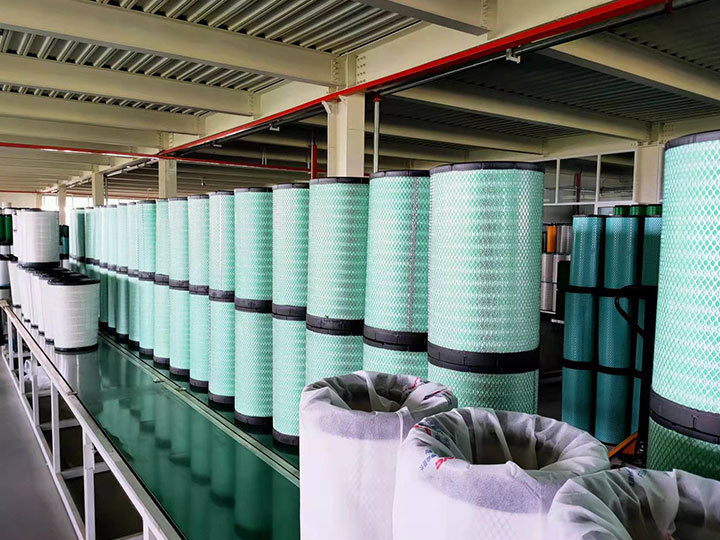
Our mission is to engineer high-performance filtration components that elevate the runtime efficiency and operational reliability of machinery and power plants worldwide. By utilizing cutting-edge manufacturing processes, premium media raw materials, and strict QA protocols, we strive to be the preferred partner for complex global supply chains.
We implement comprehensive quality control at every phase of production—from incoming raw material inspection (media thickness, tensile strength, and pore size analysis) to automated assembly and post-curing leak tests. Our engineering team continuously refines manufacturing parameters to guarantee low initial flow restriction and high structural integrity.
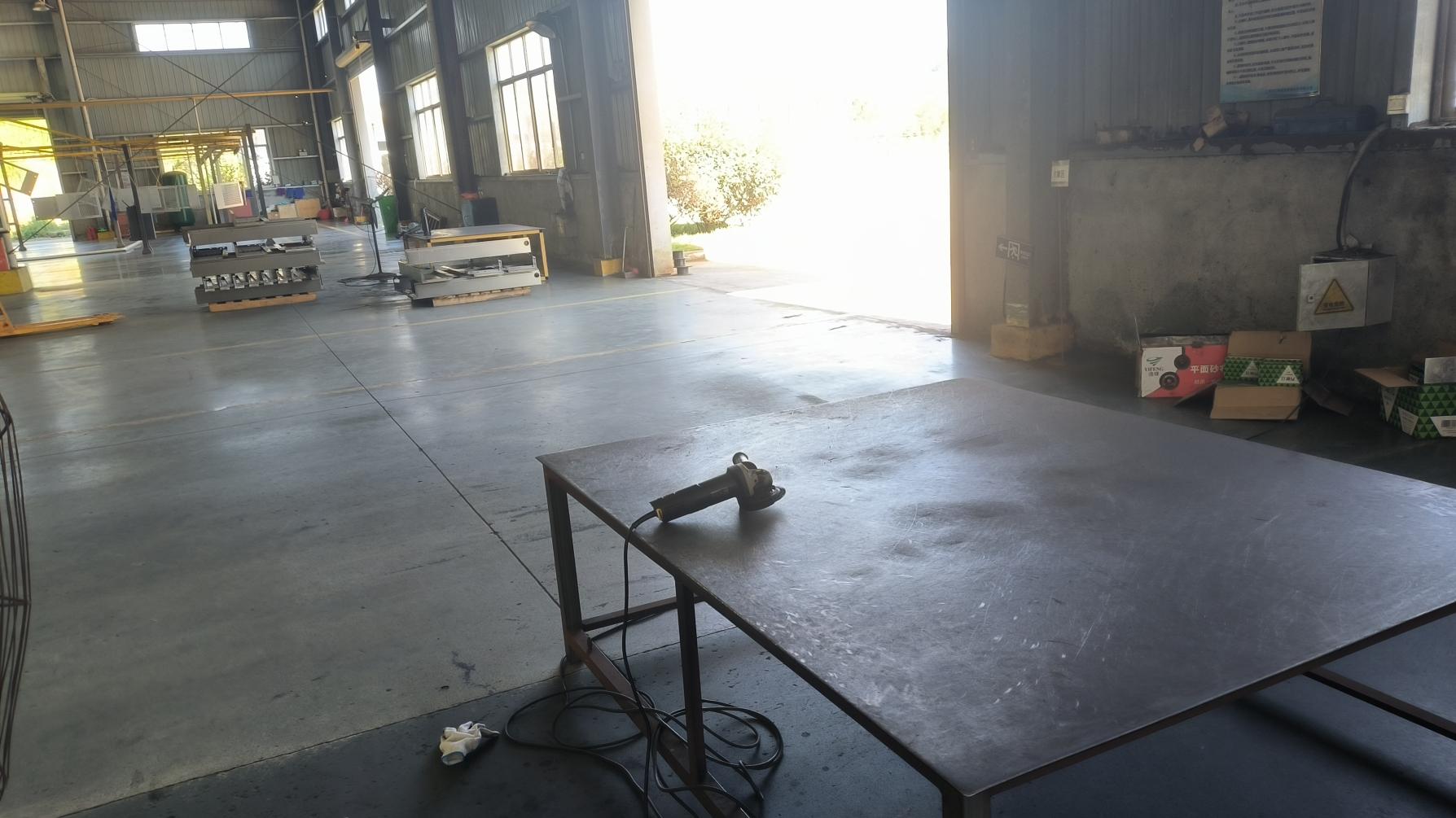
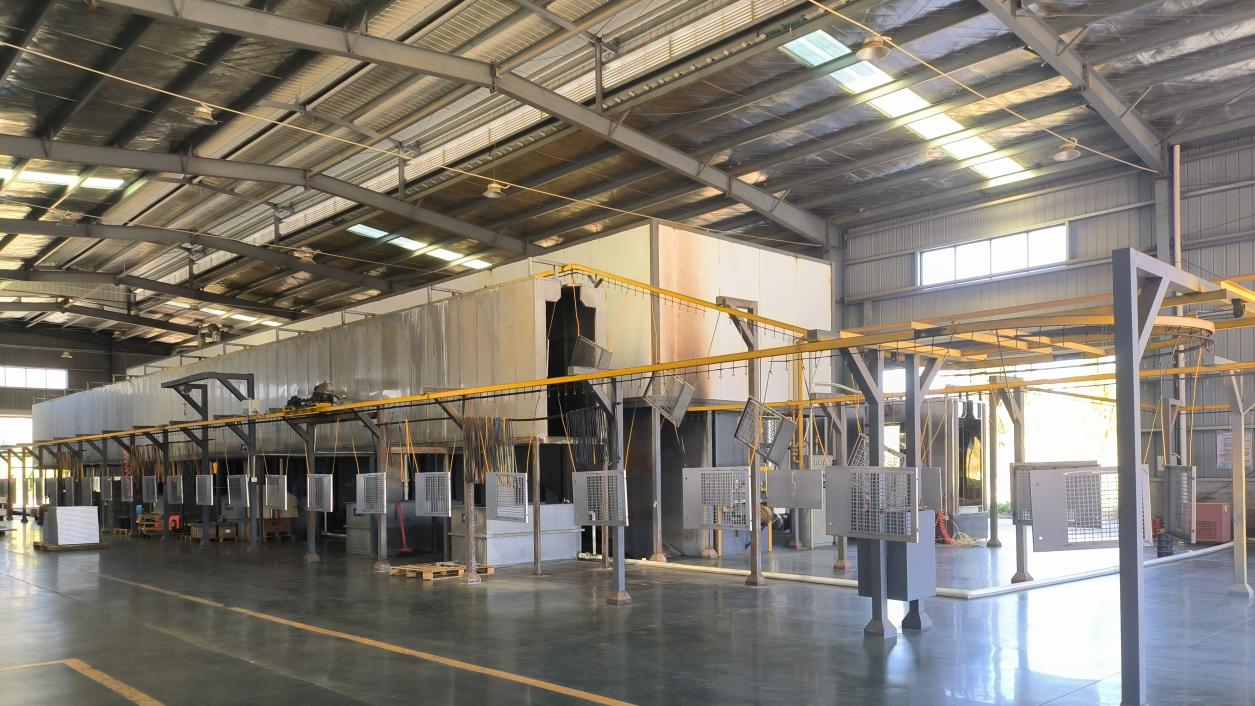
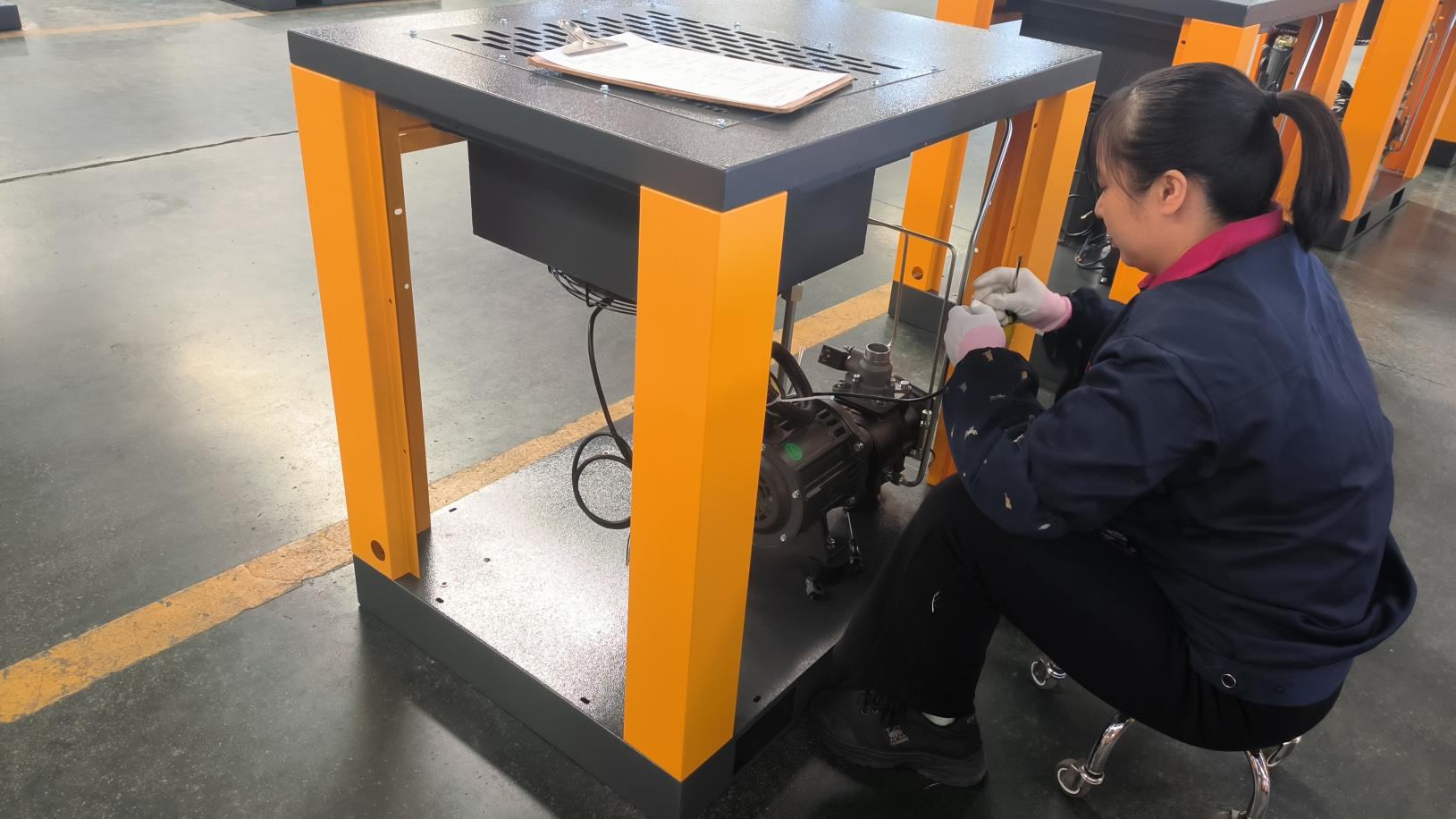
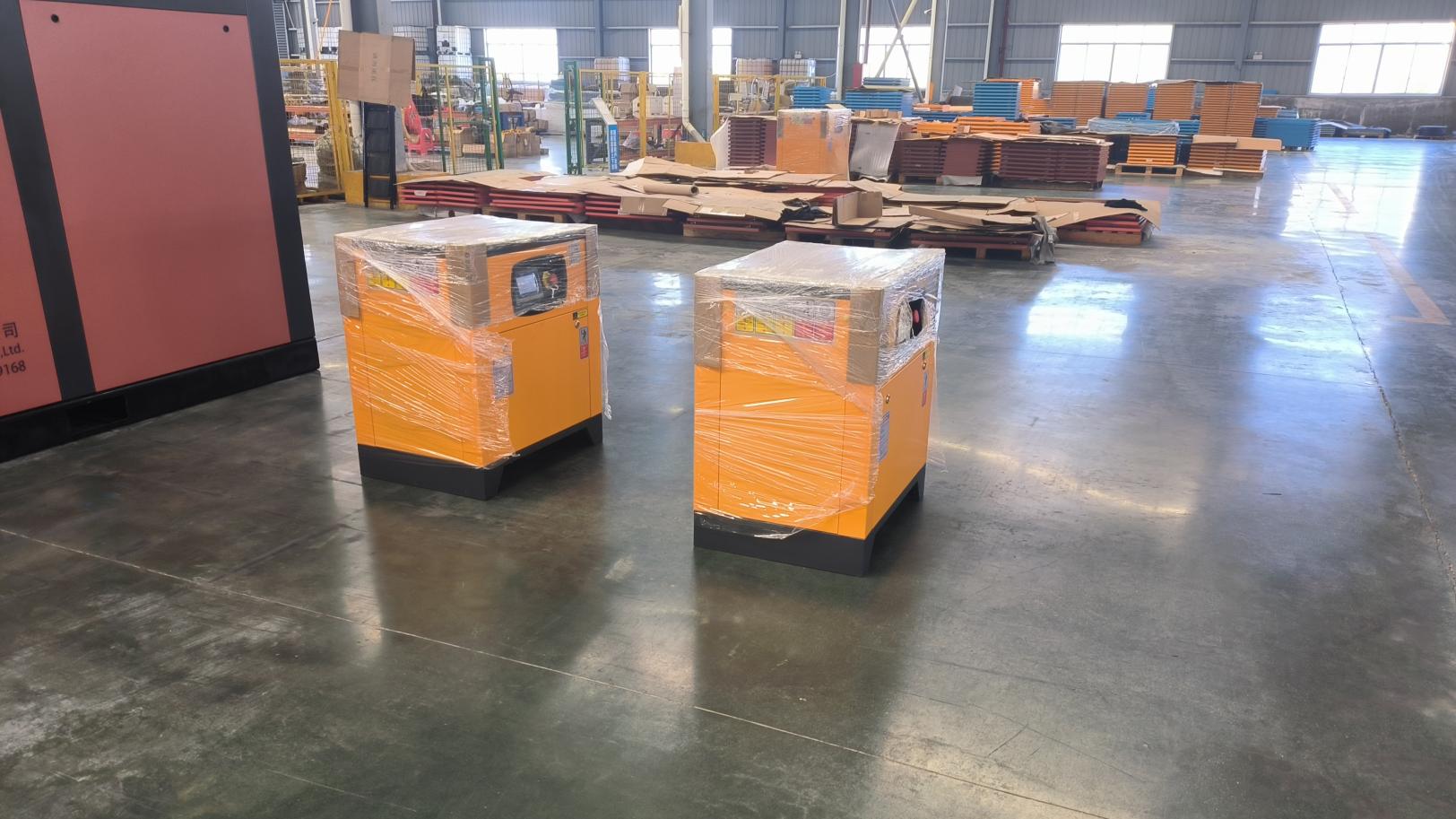
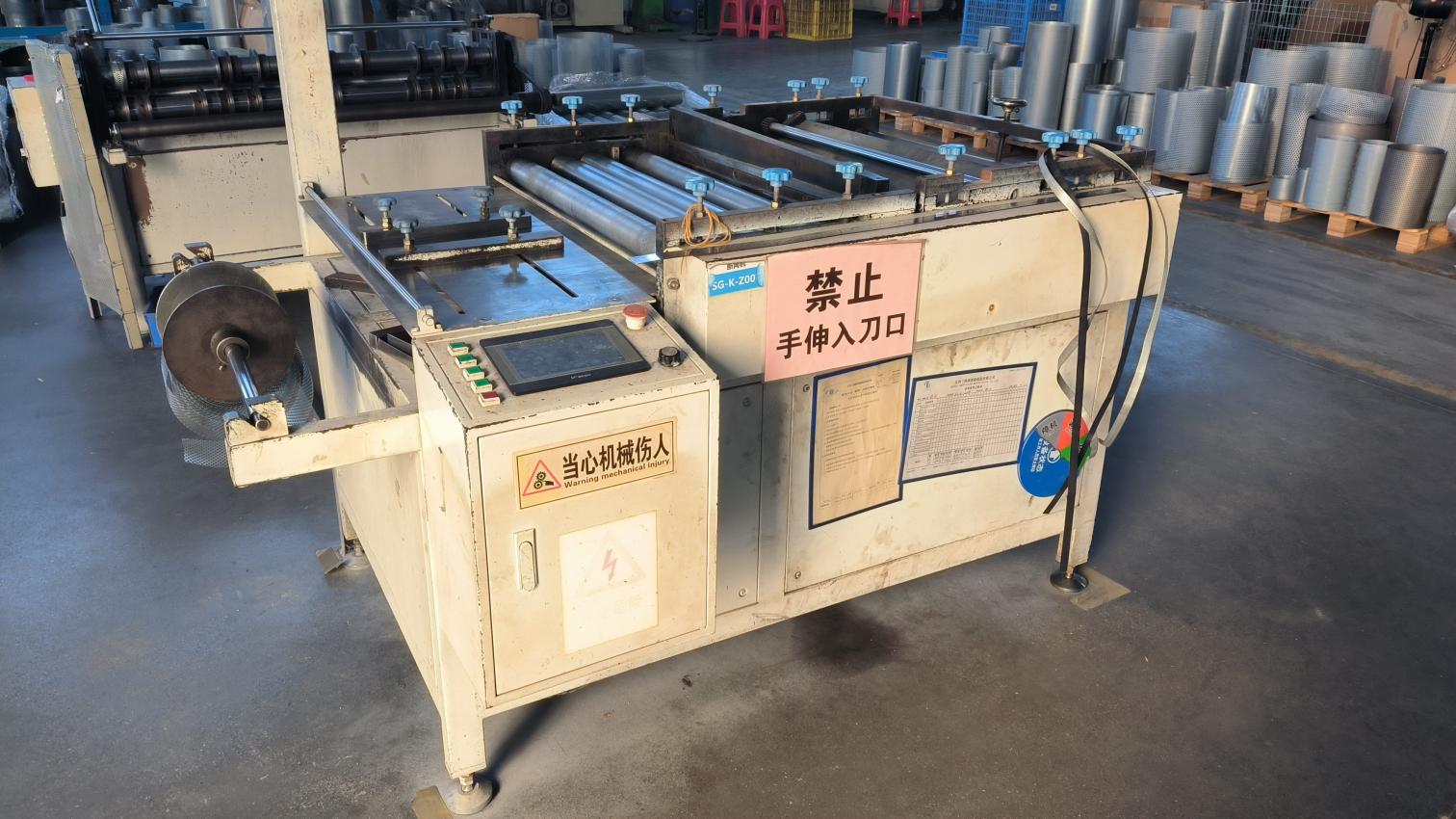
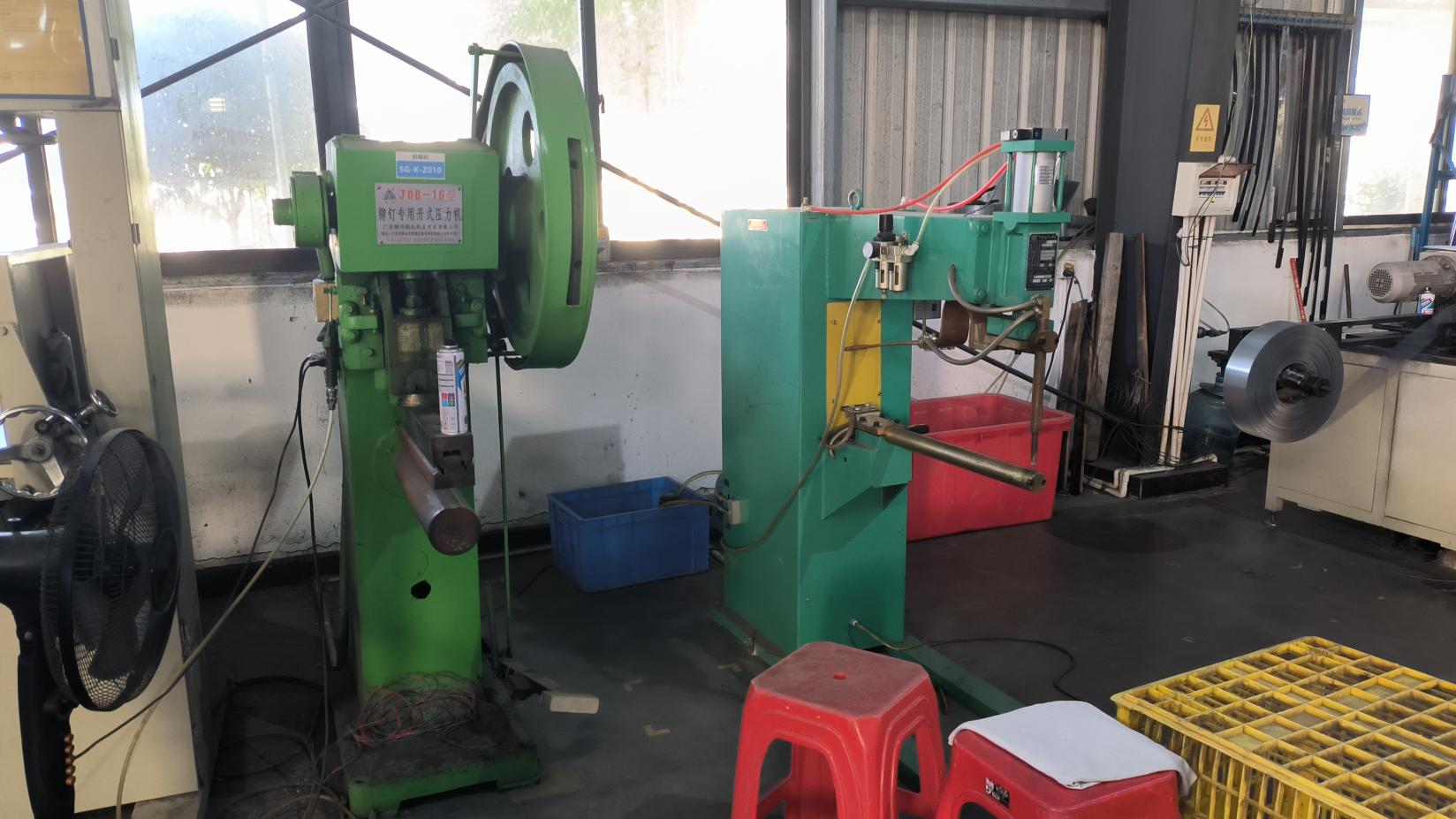
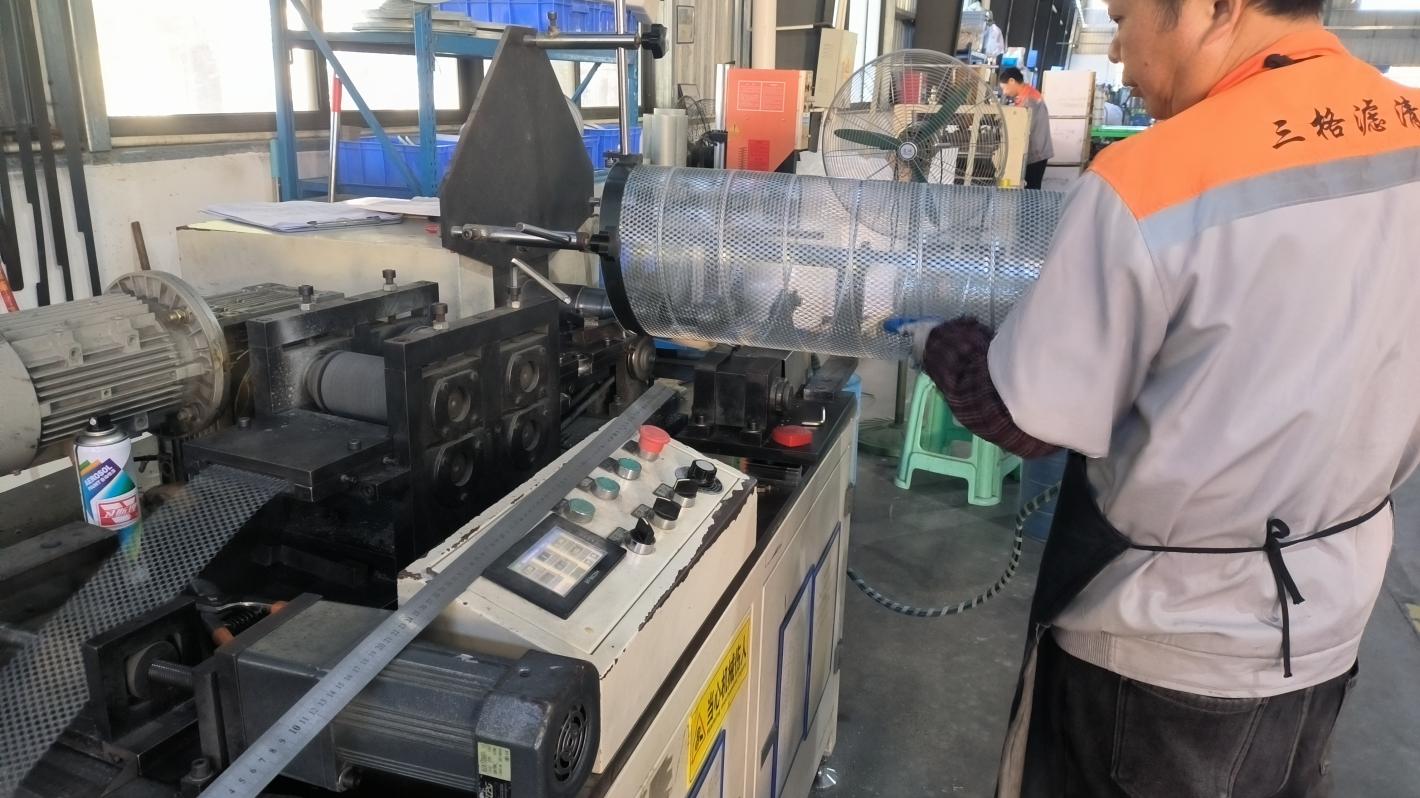
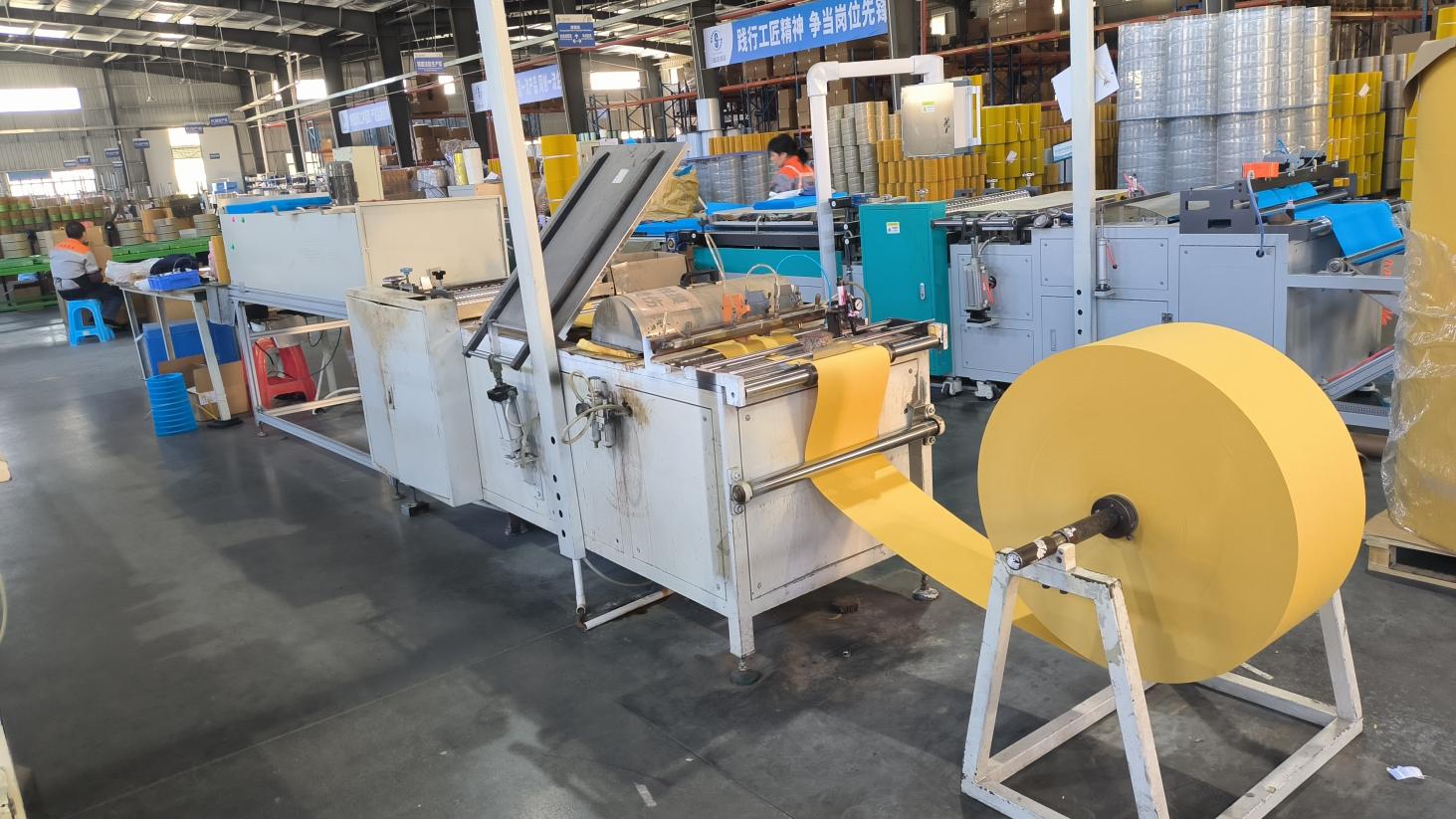
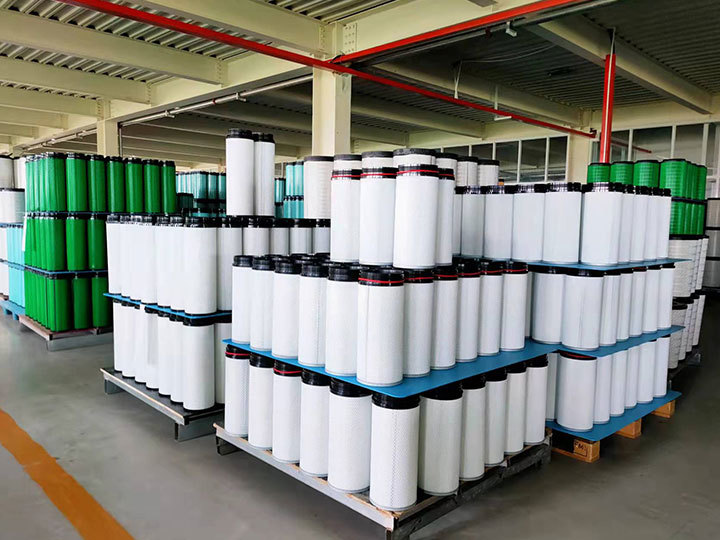
Our state-of-the-art production facility in Xingtai utilizes automated systems and precision equipment to ensure consistency across high-volume production runs. Below is our standard manufacturing workflow:
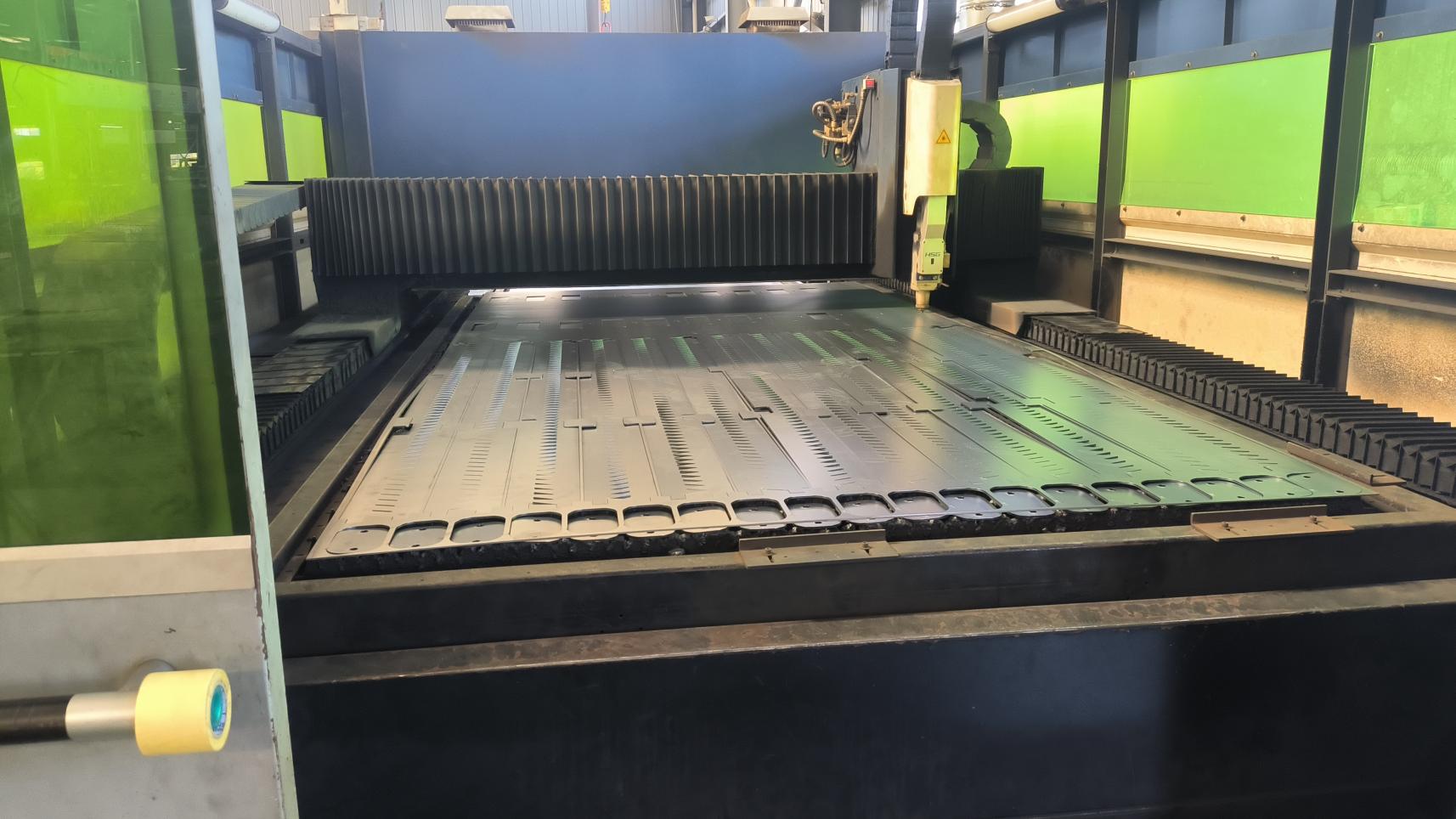
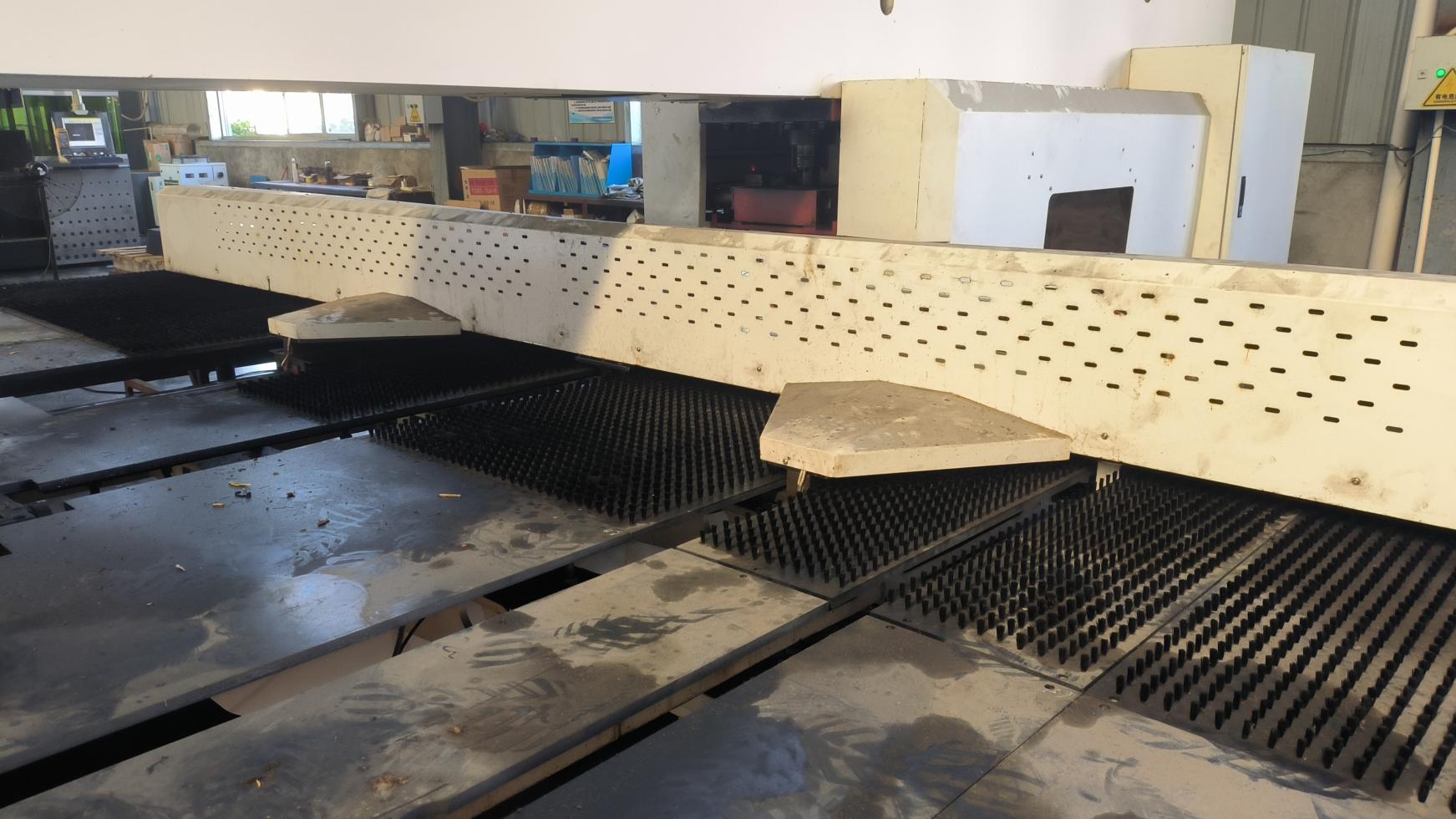
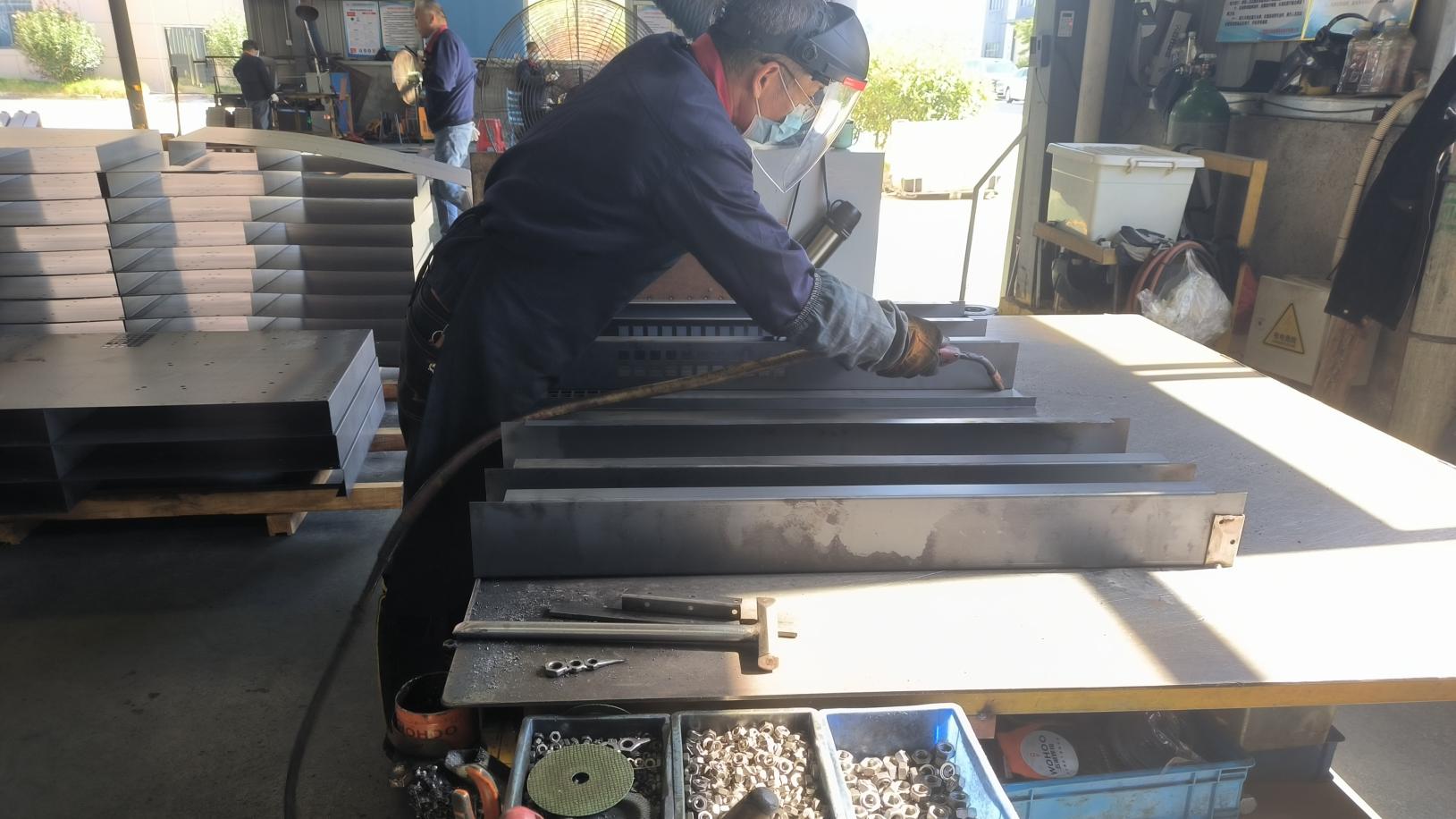
Navigating international trade laws and technical standards requires a supplier with deep regulatory knowledge. Hebei Fisc Auto Co., Ltd. operates a comprehensive logistics and distribution support network spanning key economic regions including Europe, Africa, North America, and the Middle East.
We supply complete documentation packs required for smooth customs clearance, including Certificates of Origin (CO), bill of lading details, complete packing lists, and certified test reports. Our logistics team handles shipping arrangements via bulk sea cargo, LCL, air cargo, or multimodal rail networks to minimize transit times.
We recognize that operational conditions vary by region. For instance, filters destinados for mining applications in Sub-Saharan Africa require high-capacity, multi-stage dust pre-cleaners, while installations in Western Europe prioritize low emission footprints and zero-metal disposal designs. We adapt our configurations to meet these distinct regional demands.
Our R&D department continues to investigate and develop next-generation media to anticipate evolving global filtration requirements:
By applying an electrostatic charge during the melt-blown nanofiber extrusion process, we can drastically improve the capture rate of ultra-fine sub-micron particulates (PM2.5 and smaller) without increasing physical restriction. This technology keeps air induction resistance low, which improves fuel economy and reduces CO2 emissions.
To help our clients meet strict environmental targets, we are researching fully biodegradable synthetic polymers derived from polylactic acid (PLA). These materials offer similar chemical resistance to traditional synthetics but decompose naturally under managed landfill conditions at the end of their service lives.
By combining multi-cyclone dust separation units directly with the air filter housing, we can pre-separate up to 90% of coarse particulates before the air touches the primary pleated element. This design extends filter life by 3 to 4 times, reducing maintenance workloads in high-dust applications.
Our engineering team answers common technical questions regarding industrial and marine air intake filtration:
Explore our complete range of specialized heavy-duty air elements, automotive cabin filters, and agricultural machinery components engineered for reliability and long-term durability.
 Fisc Auto